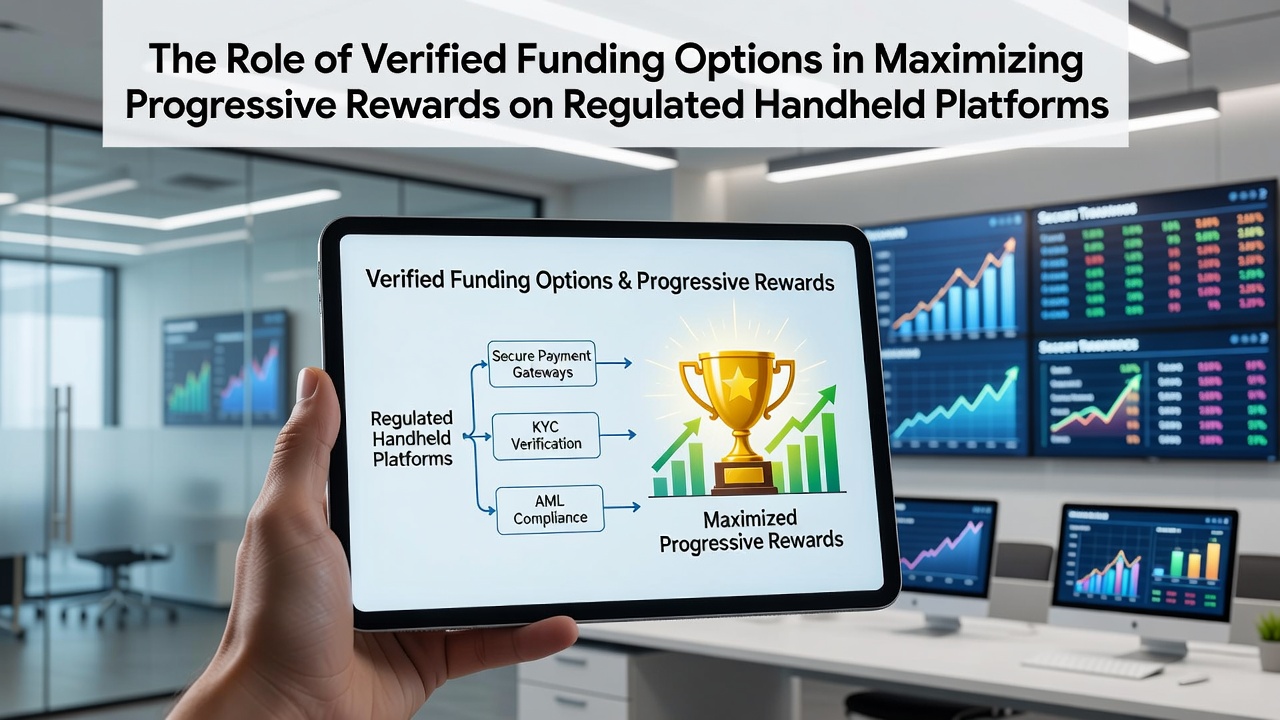
The Role of Verified Funding Options in Maximizing Progressive Rewards on Regulated Handheld Platforms
Regulated handheld platforms have expanded access to progressive reward systems where funding verification plays a central part in determining eligibility and payout structures, and operators integrate these checks to maintain compliance across multiple jurisdictions while users connect through mobile applications that track contributions in real time. Data from state regulatory bodies shows that platforms require account verification through approved funding channels before progressive pools activate for individual players, which creates a direct link between payment authentication and reward accumulation rates.
Mechanics of Verified Funding in Mobile Environments
Verified funding options encompass bank transfers, digital wallets, and prepaid cards that undergo identity confirmation processes before transactions complete, and these methods feed directly into the backend systems that calculate progressive contributions on handheld devices. Operators log each verified deposit with timestamps and amounts, which allows the platform to allocate portions of those funds toward growing jackpot meters without interruption from unconfirmed sources. Research from industry monitoring groups indicates that platforms using verified channels report fewer discrepancies in reward distribution compared to systems that allow unverified deposits, since each transaction carries traceable data that aligns with regulatory reporting standards.
Handheld platforms often tie progressive reward tiers to the type of funding used, so accounts funded through verified bank links gain access to higher multiplier pools while unverified methods remain limited to base levels. This structure emerged as regulators updated mobile gaming rules in several regions, requiring operators to separate funding streams to prevent cross-contamination between standard play and progressive contributions. Figures released in early 2025 highlighted that verified transactions accounted for over seventy percent of all progressive pool inputs on major platforms, a pattern expected to continue through September 2026 when new compliance modules roll out in additional states.
Regulatory Frameworks Shaping Funding Verification
Multiple regulatory bodies enforce standards that link verified funding to progressive reward access, and the Nevada Gaming Control Board publishes guidelines that detail how operators must authenticate deposits before crediting them to jackpot systems. These rules require real-time verification checks that handheld applications perform during each funding session, which reduces the risk of fraudulent contributions entering progressive pools. Similar approaches appear in Canadian provincial frameworks where operators must demonstrate that every progressive increment traces back to a verified source, creating consistent data trails for audits.
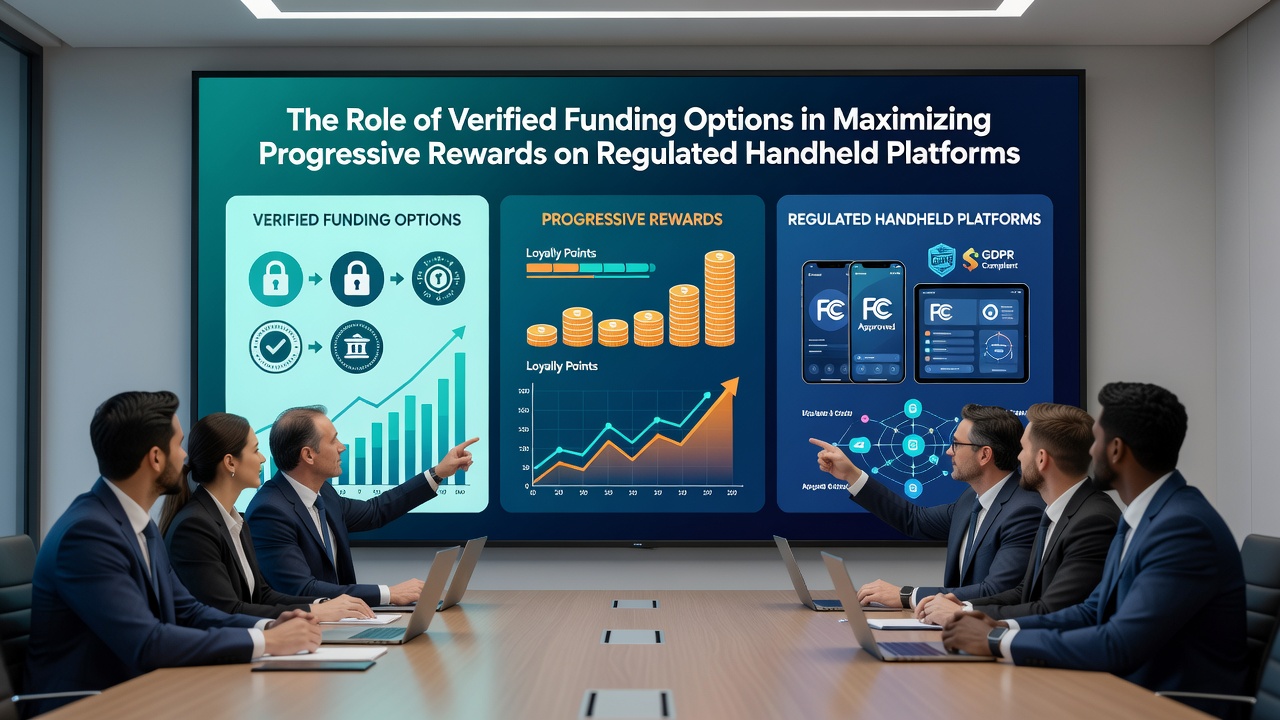
Observers note that the connection between funding verification and reward maximization becomes most visible during cross-border play scenarios, where platforms apply the strictest applicable standard from the user's location. Platforms adjust verification levels automatically based on device location data, and this process ensures progressive rewards only accumulate when funding meets the required threshold. Academic studies from research institutions in Australia have examined these mechanisms and found that verified funding correlates with higher average payout frequencies because operators can allocate resources more precisely when transaction data remains clean and auditable.
Technical Integration and Reward Calculation
Platform developers embed verification protocols into the funding interface so that each deposit triggers an immediate check against approved provider lists before the amount contributes to any progressive meter. This integration uses API connections between payment processors and the gaming engine, which allows the system to update reward values instantly on the user's handheld screen. Data shows that platforms with seamless verification experience fewer session interruptions, and users maintain continuous participation in progressive cycles rather than facing delays while funding clears.
Progressive reward algorithms factor in the verification status of each deposit when determining contribution percentages, and higher verification tiers often receive bonus multipliers applied to the base contribution rate. Operators document these calculations in compliance reports submitted to oversight agencies, which track how verified funding influences overall pool growth across thousands of active handheld sessions daily. The pattern holds steady through projected updates scheduled for September 2026, when several platforms plan to introduce enhanced verification layers that further tie funding status to reward eligibility.
Case Examples from Regulated Markets
One operator in a U.S. state with established mobile gaming rules implemented verified funding requirements for all progressive titles in 2024, and subsequent reports showed a measurable increase in verified transaction volume that aligned with expanded reward distributions. Another platform operating under Australian oversight adopted similar protocols and recorded consistent growth in progressive meters tied exclusively to verified sources, which simplified audit processes and reduced administrative overhead. These examples illustrate how verified funding functions as a gatekeeper that channels contributions into reward systems while maintaining regulatory alignment.
Conclusion
Verified funding options serve as the operational backbone that connects user deposits to progressive reward systems on regulated handheld platforms, and the verification process ensures that each contribution meets compliance criteria before it influences jackpot growth. Regulatory updates continuing through September 2026 will likely reinforce these connections as operators refine their mobile systems to handle increasing volumes of verified transactions. The documented patterns across multiple jurisdictions confirm that funding verification directly supports accurate reward calculation and distribution while platforms adapt to evolving standards.